Integrating a Pond into Your Garden in Edinburgh: Essential Tips and Design Ideas
- The Build Bible
- May 31
- 3 min read
Adding a pond to your garden can transform an ordinary outdoor space into a peaceful retreat. A garden pond not only enhances the visual appeal but also supports local wildlife and creates a calming atmosphere. If you are wondering how to integrate a pond into your garden effectively, this guide offers practical tips and inspiring design ideas to help you create a beautiful water feature that complements your garden design.
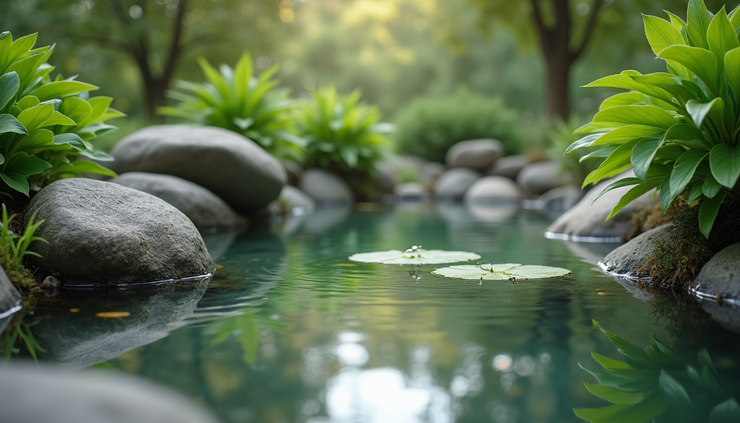
Choosing the Right Location for Your Garden Pond
Selecting the perfect spot is the first step in integrating a pond into your garden. Consider these factors:
Sunlight: Most aquatic plants and fish thrive with 4 to 6 hours of sunlight daily. Avoid areas with too much shade or intense afternoon sun.
Visibility: Place the pond where it can be easily seen and enjoyed from your home or seating areas.
Accessibility: Ensure easy access for maintenance tasks such as cleaning, planting, and feeding fish.
Avoiding Trees: Keep the pond away from large trees to reduce leaf litter and root interference.
By carefully choosing the location, you set the foundation for a successful garden pond that fits naturally into your garden design.
Planning the Size and Shape of Your Pond
The size and shape of your pond should reflect your garden’s scale and style. Here are some tips:
Match your garden size: Small gardens benefit from compact ponds with simple shapes, while larger gardens can accommodate more elaborate designs.
Shape options: Natural, irregular shapes blend well with informal garden designs. Geometric shapes suit modern or formal gardens.
Depth considerations: A depth of 18 to 24 inches supports a variety of plants and fish, while deeper areas help fish survive winter in colder climates.
Sketch your ideas on paper or use garden design software to visualize how the pond will fit into your space.
Selecting Materials and Construction Methods
Your choice of materials affects both the appearance and durability of the pond:
Pond liners: Flexible rubber liners are popular for DIY projects due to ease of installation and adaptability to any shape.
Preformed ponds: These rigid plastic or fiberglass shells come in fixed shapes and sizes, ideal for quick installation.
Natural ponds: Using clay or compacted soil can create a natural look but requires more expertise and maintenance.
Consider the style of your garden and your budget when choosing materials. Combining natural stones around the edges can enhance the water feature’s integration into the garden design.
Adding Plants and Wildlife to Your Water Feature
Plants bring life and balance to your garden pond. They improve water quality and provide shelter for wildlife. Include a mix of:
Marginal plants: Such as cattails and irises, planted around the edges.
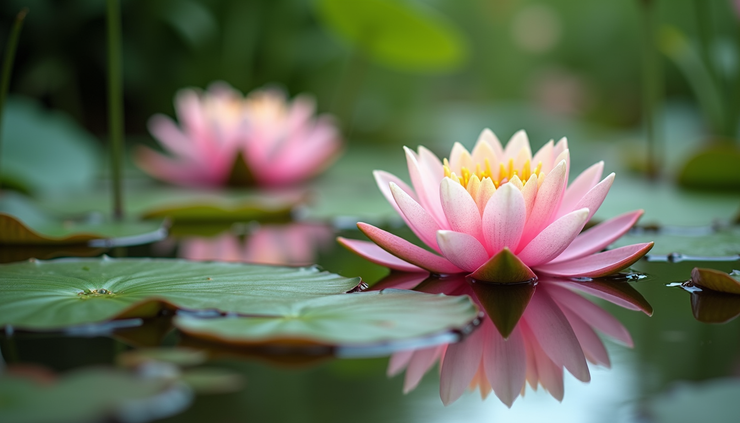
Floating plants: Like water lilies, which provide shade and reduce algae growth.
Submerged plants: Such as hornwort, oxygenate the water and support fish health.
Encouraging wildlife like frogs, dragonflies, and birds adds movement and sound, enriching the garden experience.
Maintaining Your Garden Pond
Regular maintenance keeps your pond healthy and attractive:
Remove debris: Skim leaves and twigs to prevent decay and water contamination.
Check water quality: Test pH and clarity, adjusting as needed.
Control algae: Use natural methods like adding barley straw or aquatic plants to limit algae growth.
Inspect equipment: Clean filters and pumps to ensure proper circulation.
A well-maintained pond remains a stunning focal point in your garden design year-round.
Creative Design Ideas to Enhance Your Garden Pond
To make your water feature stand out, consider these design ideas:
Waterfalls or streams: Adding moving water creates soothing sounds and improves oxygen levels.
Lighting: Underwater or surrounding lights highlight the pond at night and add ambiance.
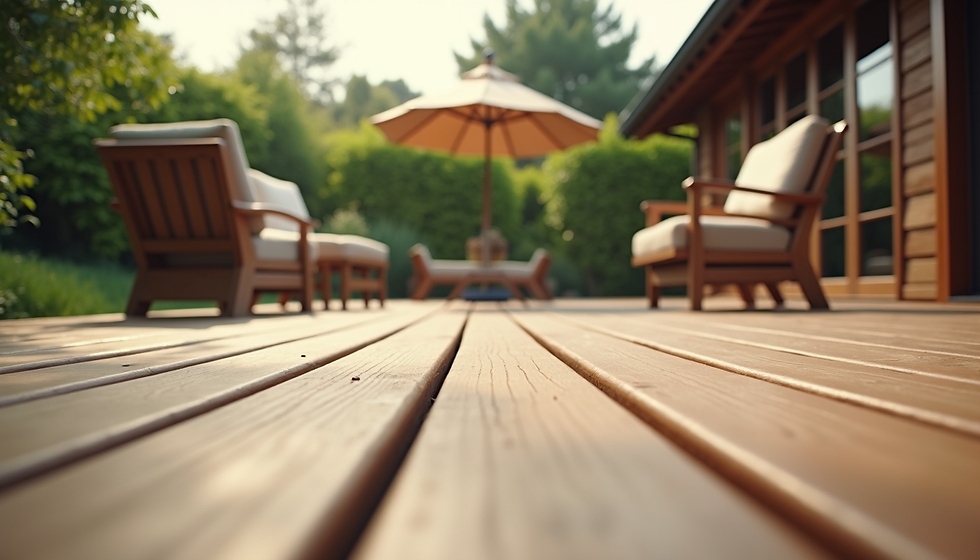
Seating areas: Place benches or a small patio nearby for relaxation and pond viewing.
Themed gardens: Integrate the pond into a Japanese, cottage, or wildlife garden style with matching plants and decorations.
Experiment with these ideas to create a unique garden pond that reflects your personality and garden design goals.


Comments