Creating the Perfect English Cottage Garden: Tips for a Charming and Lush Outdoor Space
- The Build Bible
- May 29
- 3 min read
An English cottage garden is a timeless way to bring charm and natural beauty to your outdoor space. Unlike formal gardens, this style embraces a relaxed, informal look filled with a mix of flowers, herbs, and shrubs that create a welcoming atmosphere. If you want to capture that classic cottage feeling, this guide will help you design a garden that feels both lush and inviting.
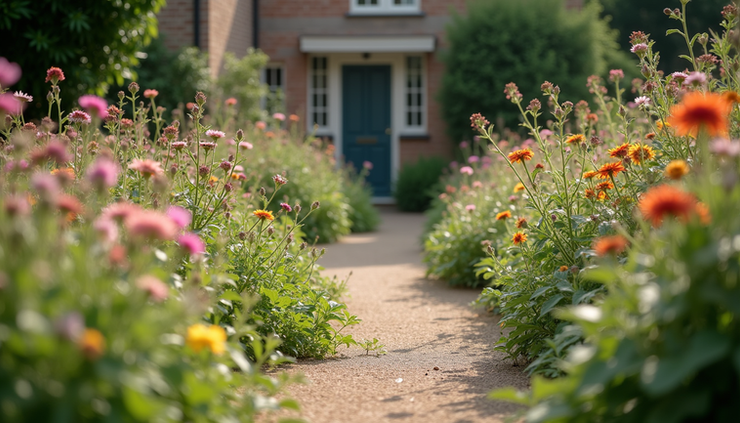
Understanding the English Cottage Garden Style
The English cottage garden is known for its informal, overflowing style. It combines a variety of plants that bloom at different times, ensuring color and interest throughout the seasons. The garden design focuses on creating a natural, almost wild look rather than neat, geometric lines.
Key features include:
Mixed planting: Combining perennials, annuals, herbs, and shrubs.
Curved paths: Winding walkways made of stone, brick, or gravel.
Climbing plants: Roses, clematis, and honeysuckle climbing on trellises or walls.
Garden structures: Rustic benches, arches, and birdbaths add character.
Edible plants: Herbs and vegetables often blend with flowers.
This style encourages creativity and personal touches, making it perfect for gardeners who enjoy a hands-on approach.
Choosing Plants for Your English Cottage Garden
Selecting the right plants is essential to achieve the cottage feeling. Focus on species that thrive in your climate and soil but also fit the traditional English garden palette.
Popular Plants for Cottage Gardens
Roses: Old-fashioned varieties like David Austin roses add fragrance and color.
Lavender: Its scent and purple blooms are classic cottage garden staples.
Foxgloves: Tall and elegant, they bring vertical interest.
Delphiniums: Their blue spikes contrast beautifully with softer colors.
Peonies: Large, lush flowers that bloom in late spring.
Herbs: Rosemary, thyme, and sage add texture and usefulness.
Sweet peas: Climbing annuals with a delicate scent.
Mixing these plants creates layers of color and texture. Plant in groups or drifts rather than rows to keep the natural look.
Planning Your Garden Design
A successful English cottage garden balances structure and spontaneity. Start with a rough plan but allow room for plants to grow and fill in.
Steps to Plan Your Garden
Map your space: Note sun exposure, soil type, and existing features.
Create paths: Use curved lines to guide visitors through the garden.
Add focal points: A bench, birdbath, or trellis can anchor the design.
Group plants by height: Taller plants at the back, shorter ones in front.
Include seasonal interest: Choose plants that bloom at different times.
Consider wildlife: Add plants that attract bees, butterflies, and birds.
This approach helps maintain the informal charm while keeping the garden manageable.
Maintaining the Cottage Feeling
The beauty of an English cottage garden lies in its slightly untamed look, but it still needs care to stay healthy and attractive.
Maintenance Tips
Deadhead flowers regularly to encourage new blooms.
Prune climbing plants after flowering to keep them under control.
Water deeply but less often to promote strong roots.
Mulch beds to retain moisture and suppress weeds.
Divide perennials every few years to prevent overcrowding.
Watch for pests and treat naturally when possible.
With regular attention, your garden will continue to flourish and keep its inviting atmosphere.
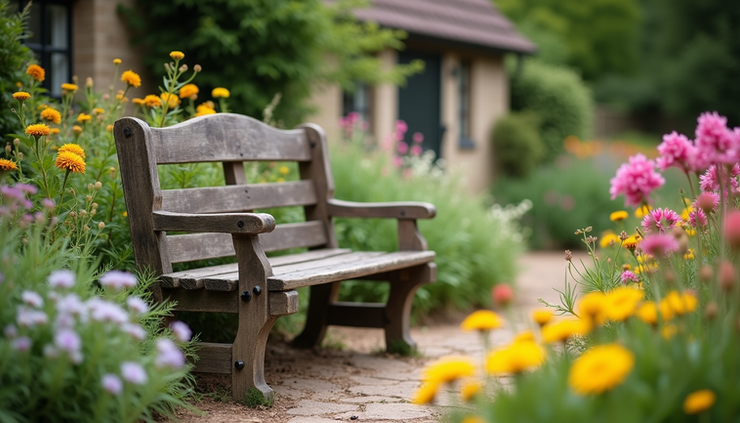
Adding Personal Touches to Your Garden
The English cottage garden invites personalization. Adding unique elements can enhance the cottage feeling and make the space truly yours.
Ideas include:
Vintage containers: Use old pots, wheelbarrows, or buckets as planters.
Garden art: Small sculptures, wind chimes, or handmade signs.
Seating areas: Create cozy spots with cushions and throws.
Wildflower patches: Let a corner grow naturally for a meadow effect.
Herb spirals or kitchen gardens: Combine beauty with practicality.
These details bring warmth and character, making your garden a peaceful retreat.



Comments