Creating a Year-Round Floral Paradise: The Perfect Plant Mix for Your Garden in the UK
- The Build Bible
- May 29
- 3 min read
A garden full of flowers throughout the year is a dream for many gardeners. Achieving this requires more than just planting a few colorful blooms. It calls for a thoughtful garden design and a well-planned planting schedule that ensures something is always in flower, no matter the season. This guide will help you create a balanced mix of plants that keep your garden vibrant and alive all year long.

Understanding Seasonal Flowering Patterns
To keep your garden flowering year-round, you need to understand when different plants bloom. Flowers generally fall into three categories:
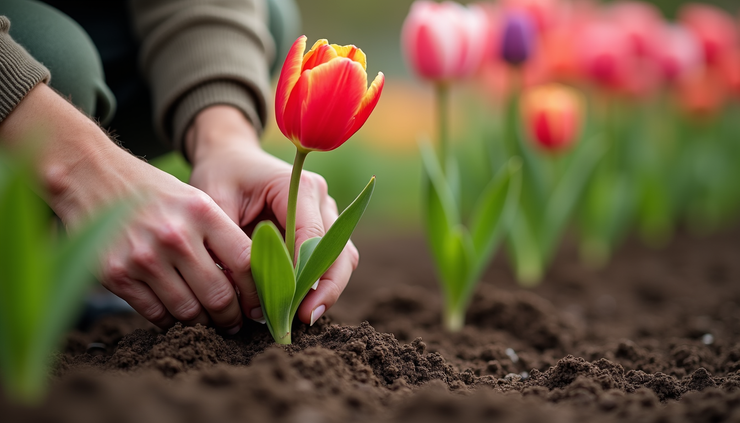
Spring bloomers: Plants like tulips, daffodils, and crocuses bring early color after winter.
Summer bloomers: Roses, lavender, and coneflowers thrive in warm months.
Autumn and winter bloomers: Plants such as chrysanthemums, hellebores, and witch hazel provide late-season interest.
By mixing these groups, you can avoid gaps in flowering. For example, daffodils fade as roses start to bloom, and chrysanthemums take over as summer flowers decline.
Choosing the Right Plants for Your Climate
Your local climate heavily influences which plants will thrive and when they bloom. Research native and well-adapted species for your area to reduce maintenance and increase success. For colder climates, bulbs and hardy perennials are excellent choices. In warmer regions, consider drought-tolerant plants that bloom in cooler months.
Here are some examples of plants for different seasons:
Spring: Hyacinths, primroses, and bleeding hearts
Summer: Daylilies, zinnias, and sunflowers
Autumn: Sedum, asters, and Japanese anemones
Winter: Camellias, pansies, and snowdrops
Planning Your Garden Design for Continuous Bloom
A successful garden design balances height, color, and texture while considering bloom times. Use layers of plants with staggered flowering periods. Taller plants can provide structure and shade for lower-growing species.
Consider these design tips:
Group plants with similar water and sunlight needs.
Use evergreen shrubs to maintain greenery when flowers are scarce.
Incorporate bulbs for early spring color before perennials emerge.
Add climbers like clematis or honeysuckle for vertical interest and seasonal flowers.
Creating a Planting Schedule That Works
A planting schedule helps you organize when to sow seeds, transplant seedlings, and plant bulbs. This schedule depends on your climate and the plants you choose. For example, bulbs are often planted in autumn for spring blooms, while summer annuals are started indoors in late winter.
Steps to build your planting schedule:
List your chosen plants with their bloom times.
Note the best planting time for each species.
Schedule planting tasks to ensure continuous flowering.
Keep track of maintenance like deadheading and pruning to encourage more blooms.
Combining Perennials, Annuals, and Bulbs
Using a mix of perennials, annuals, and bulbs creates a dynamic garden. Perennials return year after year and provide a backbone for your garden. Annuals add bursts of color and can fill gaps between perennials. Bulbs offer early or late-season flowers that extend your garden’s interest.
Example planting mix:
Perennials: Echinacea, hostas, and black-eyed Susans
Annuals: Marigolds, petunias, and cosmos
Bulbs: Tulips, daffodils, and crocuses
Maintenance Tips to Keep Flowers Blooming
Regular care is essential to maintain a year-round floral display. Deadhead spent flowers to encourage new blooms. Fertilize according to plant needs, and water consistently during dry spells. Mulching helps retain moisture and suppress weeds.
Prune shrubs and perennials after flowering to prepare them for the next season. Keep an eye out for pests and diseases to prevent damage.



Comments